Elephants and Biodiversity: The Vital Role of Elephants in Ecosystems

Elephanatics and the IUCN
Elephanatics Foundation is a proud member of the CCIUCN (Canadian Committee for the International Union for Conservation of Nature). The CCIUCN’s mission is simple: to inform, connect, and promote conservation policies across Canada. Furthermore, the committee acts as a central hub. It shares global IUCN news, expertise, and information applicable to Canadian conservation efforts.
What is Biodiversity?
Biodiversity is the fundamental variety of life on Earth. It includes all living organisms and the ecosystems they belong to. This involves the immense variety of species, genes, and habitats (terrestrial, marine, and aquatic).
Ultimately, biodiversity is the most vital and complex feature of our planet. Without it, humanity has no future. It is the foundation of our global economy, health, food security, and overall quality of life.
What is Biodiversity – video WWF – https://www.youtube.com/watch?v=y18o0mACCQs
The Global Biodiversity Crisis
The Intergovernmental Science-Policy Platform on Biodiversity and Ecosystem Services (IPBES) recently reported on significant worldwide biodiversity loss. This crisis is largely driven by human actions:
- Land Use: Three-quarters of land environments and 66% of marine areas have been significantly altered by humans.
- Agriculture: More than a third of the world’s land and nearly 75% of freshwater resources now support crop or livestock production.
- Resource Extraction: Global resource extraction has nearly doubled since 1980. We now extract approximately 60 billion tons of materials annually.
- Land Degradation: Degradation has reduced the productivity of 23% of the global land surface.
- Ocean Impact: Fertilizers entering coastal ecosystems have created over 400 ocean ‘dead zones.’ This combined area is larger than the United Kingdom.
- Pollution: Plastic pollution has increased tenfold since 1980. Additionally, between 300–400 million tons of industrial wastes are dumped into global waters annually.
Note: Negative trends will continue to 2050 without transformative policy change.
Elephants as Ecosystem Engineers
How do elephants contribute to biodiversity?
Elephants are recognized as essential ecosystem engineers. They play a critical role in maintaining both forest and savanna ecosystems for other species.
- Pathways: In dense forests, they make pathways. This allows passage for smaller animals.
- Carbon Sequestration: Forest-dwelling elephant herds help sequester more atmospheric CO₂. They feed on fast-growing plants, which enables the growth of slow-growing, high-density trees. These denser trees are better at absorbing carbon.
- Habitat Modification: Elephants modify savanna habitats. They pull down trees and break up thorny bushes, creating new niches for other organisms.
The Elephant Extinction Crisis
The loss of elephants directly correlates with the overall decline of biodiversity.
- Population Decline: The African elephant population has plummeted by 96% in the past century.
- Habitat Loss: Elephant habitat has decreased by nearly two-thirds in the last 40 years, primarily due to human activity.
- IUCN Status: The IUCN has updated its Red List of Threatened Species for African elephants:
- Savanna Elephant: Classified as Endangered.
- Forest Elephant: Classified as Critically Endangered.
Without urgent intervention, conservationists predict elephants will be extinct in the wild within 20 years.
Drivers of Elephant Decline and Biodiversity Loss
Multiple human activities contribute to this loss:
- Poaching and the illegal ivory trade
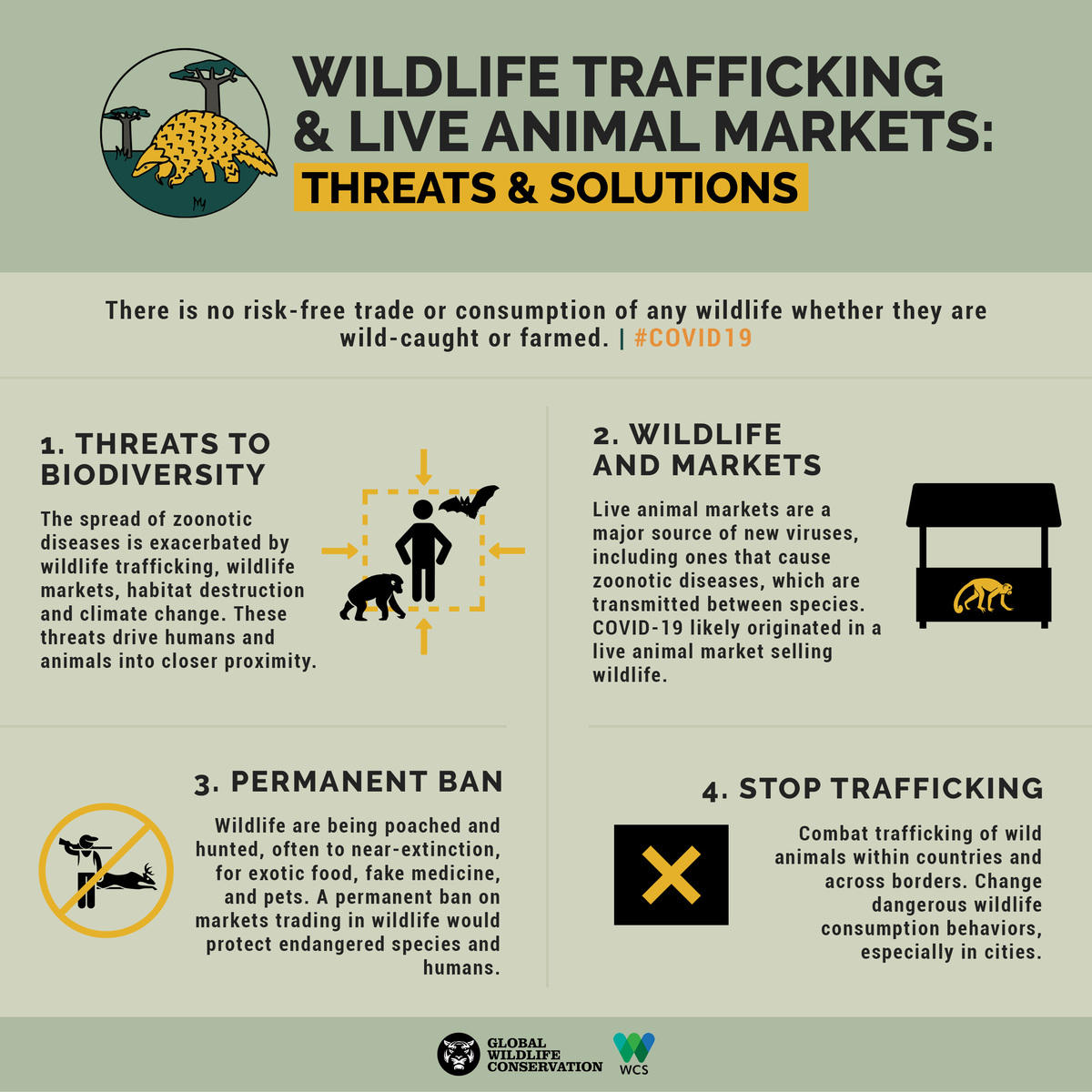
- Wildlife trafficking and live animal markets
- Human-elephant conflict
- Habitat fragmentation (infrastructure, mines, oil technology)
- Trophy hunting and legal hunting
Economic Value of Biodiversity
Biodiversity provides the foundation for our global economy.
- The Big Question: What is Nature’s $10 Trillion dollar wake-up call to the global economy? Read here.
- Valuation: The value of biodiversity is not the same as its price. Ecologists are working to calculate how much an elephant is truly worth to its ecosystem.
What is IPBES?
The Intergovernmental Science-Policy Platform on Biodiversity and Ecosystem Services (IPBES) is an independent intergovernmental body. It was established in Panama City in 2012 by 94 Governments. Its purpose is to strengthen the interface between science and policy for biodiversity conservation and sustainable development.
Further Reading and Resources
How do elephants contribute to biodiversity
- Elephants help maintain forest and savanna ecosystems for other species and are integrally tied to rich biodiversity. Elephants are important ecosystem engineers. They make pathways in dense forested habitat that allow passage for other animals. Elephant herds that dwell in forests also help sequester more atmospheric CO2. They do so by feeding on fast-growing plants in more open spaces, which facilitates the spread of slow-growing trees with higher wood density. These latter plants are better at sequestering carbon from the air. This article gives a detailed analysis: cr. IMF – Finance and Development


Below are a number of articles in relation to loss of biodiversity, the pandemic, and how they are interrelated: